
My trip to Peru was long, to say the least. Three hours from Shanghai to Tokyo, twelve hours from Tokyo to Houston, and six hours from Houston to Lima, with only short layovers in between. Houston was one of the worst organized airports I had ever been to, not only because they lost my suitcase, but luckily I made it to Peru in one piece and was excited for over a month of warm weather, adventures, and amazing food!
Read more: Escaping Coronavirus Pt. 1: Lunar New Year In Qingdao
Table of Contents
Atalaya

After one week in Lima (and eating delicious Creole food every day), it was time for me to head to the Amazon, where I would spend the rest of my time in Peru. I headed to Jorge Chávez airport early in the morning to catch my flight to Atalaya, a small town in Ucayali Region. The avioneta I flew with was tiny, in fact, the smallest airplane I had ever been on, and if you’ve ever been on a small plane you know how rough it can get sometimes. As someone who detests turbulence in general, I was quite terrified by some segments of the flight, especially the descent through the thick clouds of the rainforest. When the plane finally landed in Atalaya, I found myself at one of the smallest “airports”, basically just a landing field, and I had to wait half an hour to get a mototaxi to town, pretty much the only way to get around over land in the Amazon region.

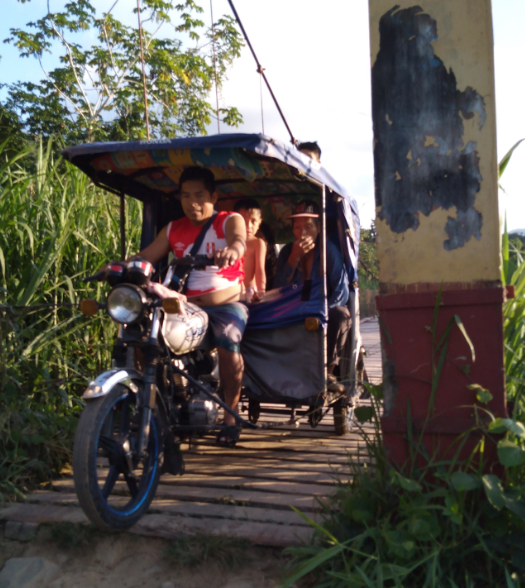
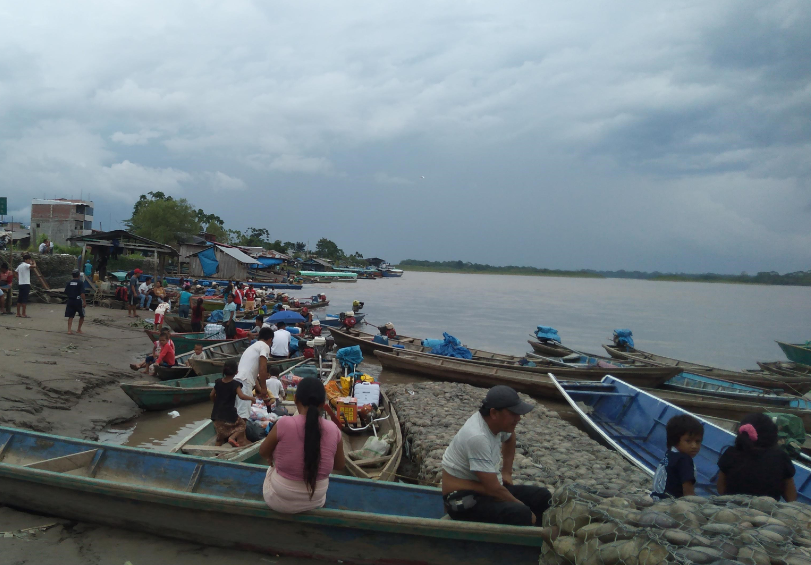
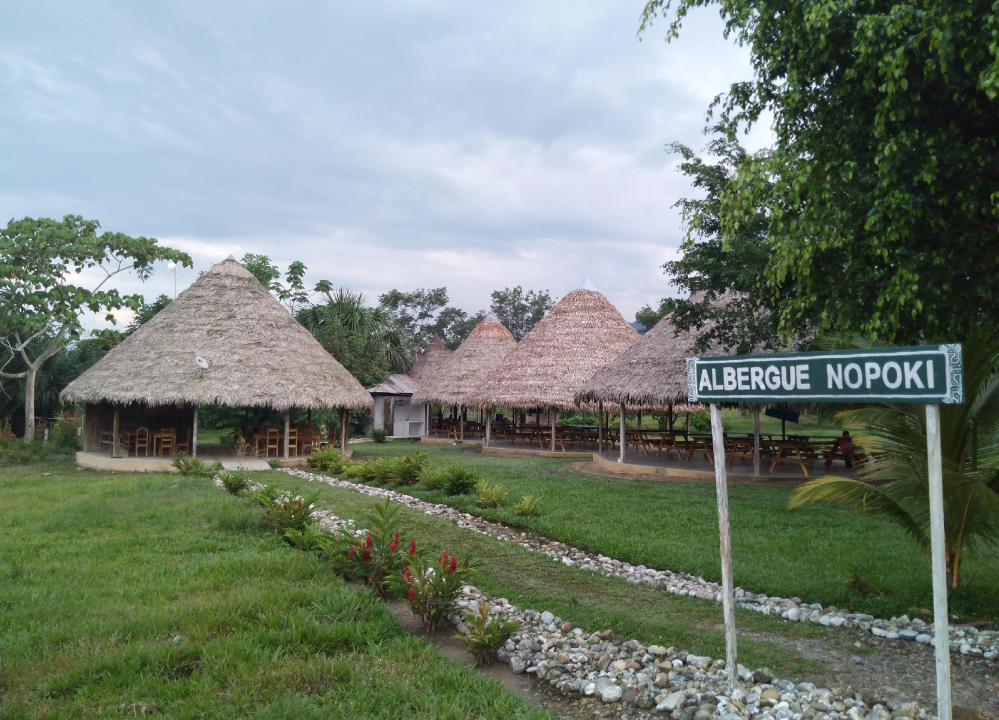
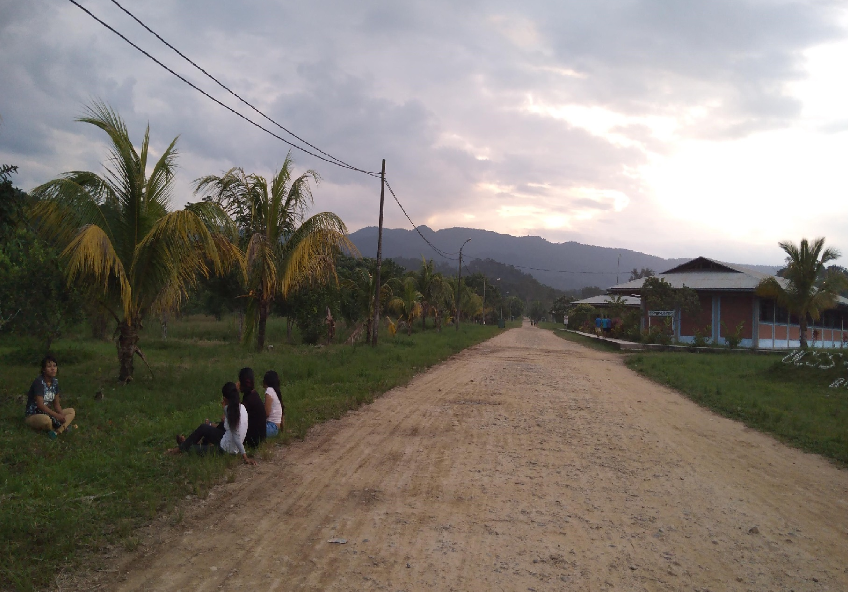
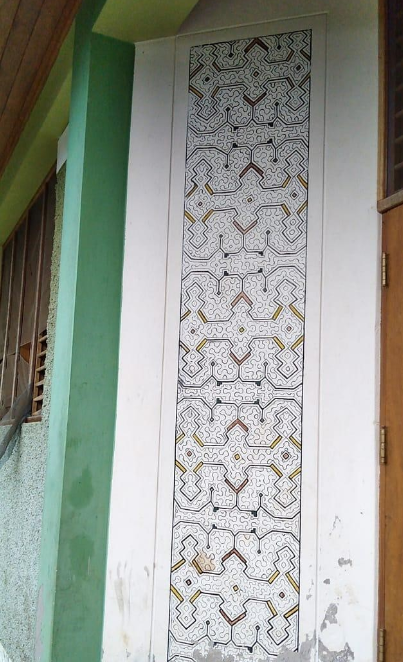
My month in Atalaya was filled with mostly the same routine since the town is small and other towns are only reachable by boat. Besides studying for my online college classes and attending a small gym, my main activities were walking across the river, playing with the friendly dogs in the streets, and going on occasional day trips to nearby places. One of these places was Nopoki, a university just outside of town. What’s so special about Nopoki? It’s a university especially for indigenous students, where young people study not only English and Mathematics, but also traditional crafts, agriculture, and local languages like Shipibo and Asháninka.
Native Cultures
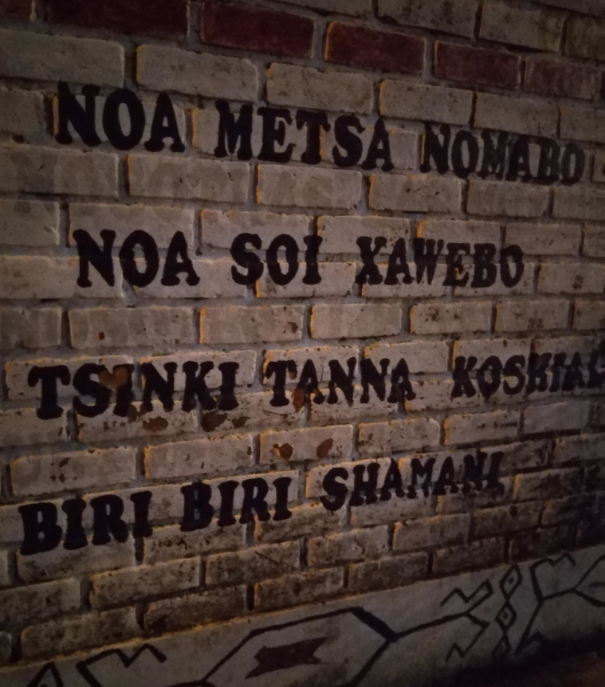
In fact, Atalaya is all about the various indigenous peoples of the region and their cultures. With the Asháninka being the largest ethnic group, there are numerous others, like the Ashéninka, Shipibo, Amahuaca and many more. Despite such ethnic diversity, many indigenous languages and practices are at the brink of extinction, mostly due to intermarriage between ethnic groups and young people leaving their small jungle settlements to pursue better lives in the towns. For this reason, researchers and organizations from around the world are committed to preserving these indigenous cultures. I was lucky to join and observe my mother and her team of linguists, who are currently working on recording the Amahuaca language, which is expected to have only 200 speakers left. How do they do this? They invite a number of Amahuaca speakers to their hotel, ask them questions about their language, create audio recordings of the spoken language, and write dictionaries.
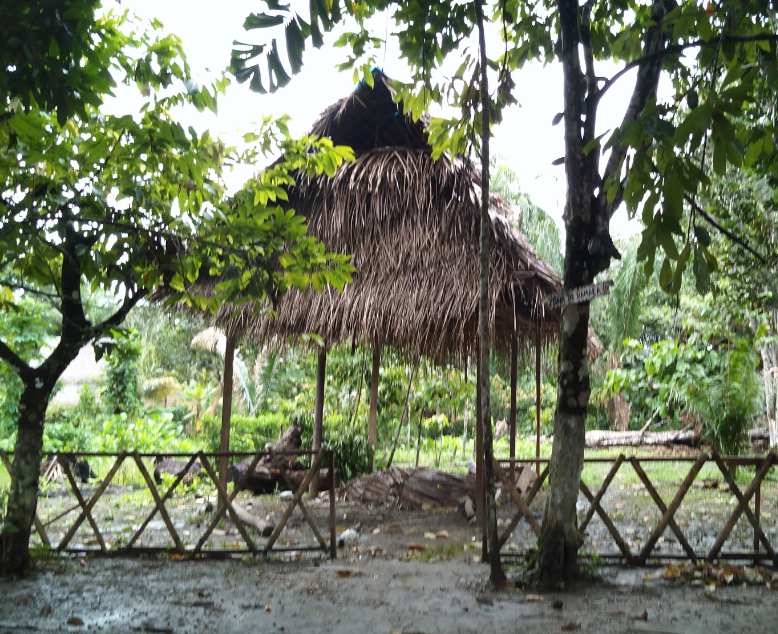
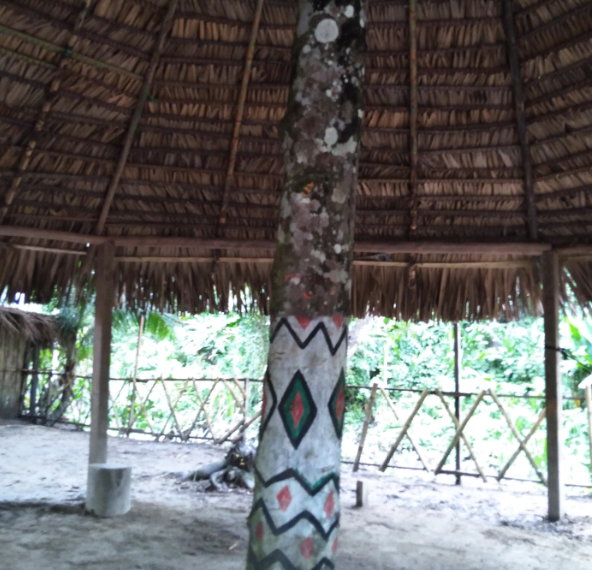
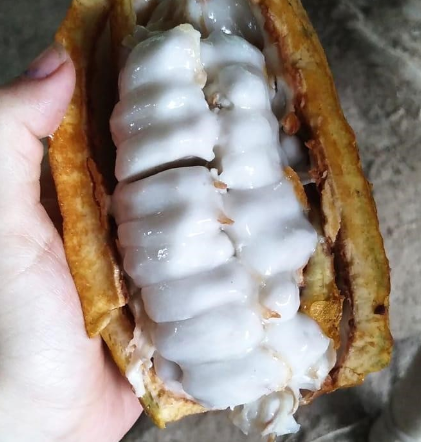
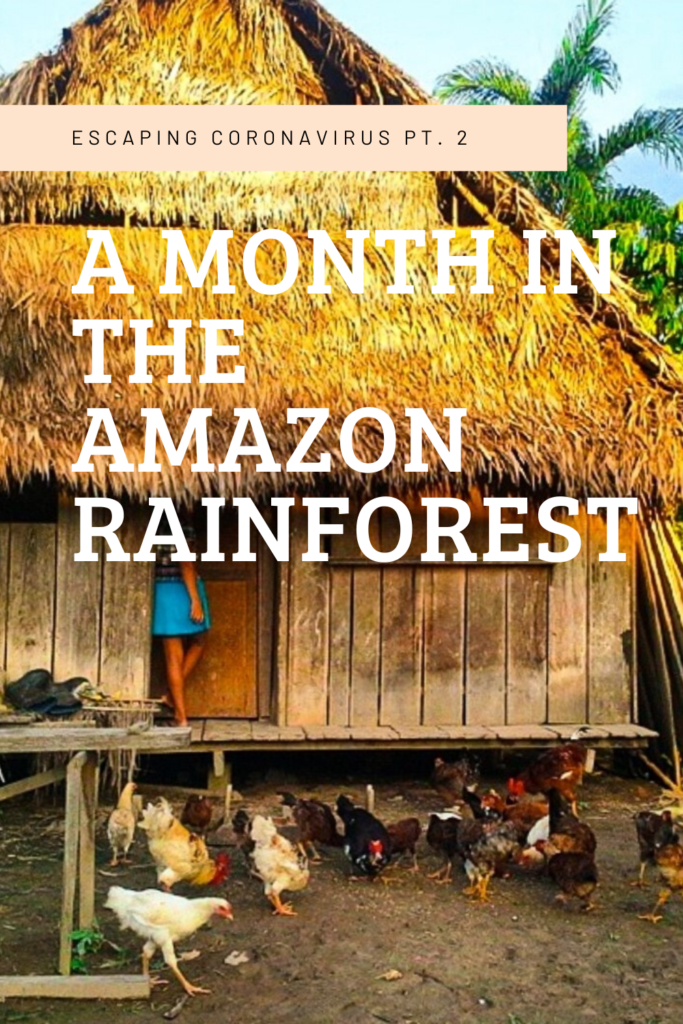
I also had the chance to visit some indigenous settlements and see how the locals of the region traditionally live. One of them was accessible only by boat as it was located across the river on the opposite side of the town. The settlement consisted of a small square with a church, a school, and various plots of land belonging to one family each. Each plot had enough space to grow various crops, such as cacao, tangerines, plantains, and coconuts, and house a huge number of chickens. In fact, the plot that I visited was so large that one had to cross a small river by boat to get to some of the fields! No wonder they can house entire extended families with lots of aunts, uncles, and cousins.
Food
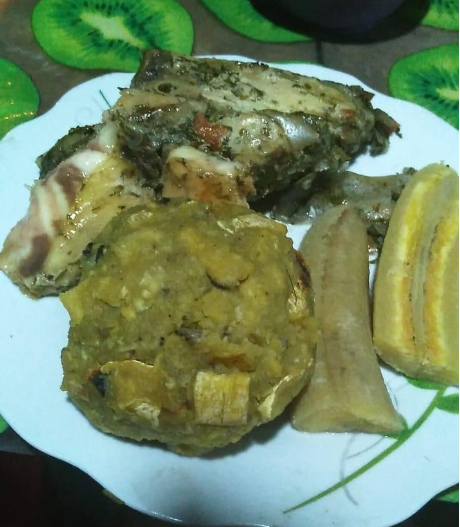
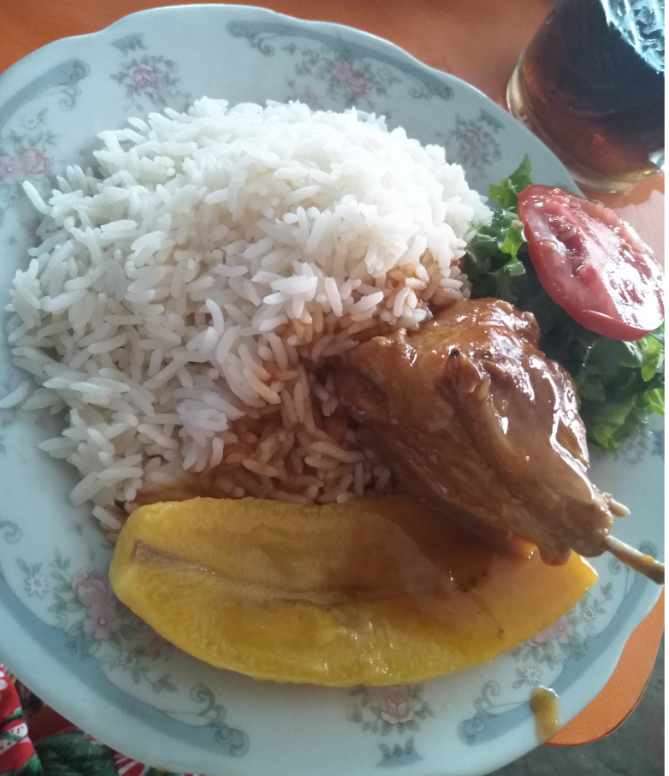
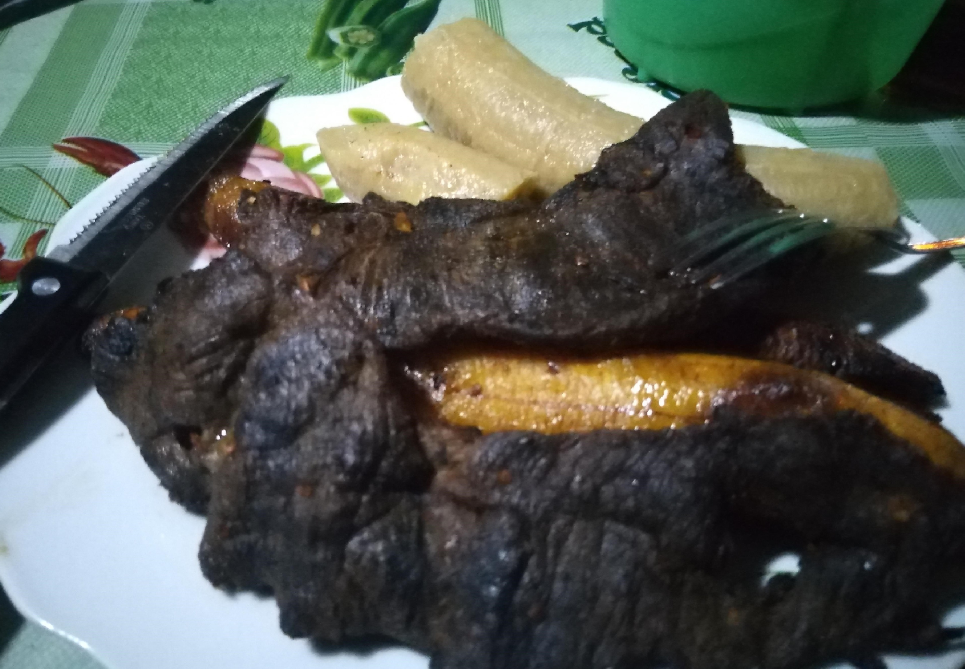
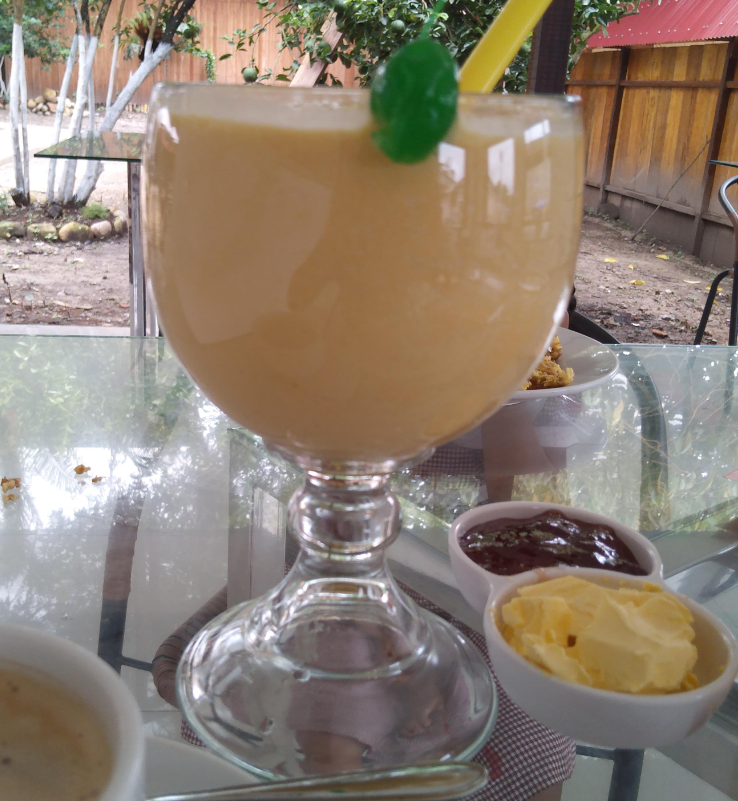
Lastly, time to talk about food. The Amazonian cuisine is very simple, with just regional ingredients like plantains and fish and little to no spices. However, during my time in Atalaya I came to love the local food, and not only because I lost three kilos of fat from this all-natural diet. A quick warning though, most restaurant’s service is terribly slow and they always forget to bring cutlery. I recommend street food stalls if you have a robust stomach. (even I got typhoid fever when I was there!)
Here are some of my favorite Amazonian foods:

Summary: Atalaya How-Tos
Location: Atalaya Province, Ucayali Region, Peru
How to get there: Avioneta (small airplane) from Lima or Pucallpa, boat from other towns in the region, long and bumpy jeep ride from Lima
How to get around: Mototaxi, mototaxi, mototaxi, someone’s motorcycle, by foot
How to dress: Tropical, rainy season from December to May, dry season from June to November, wear loose clothes and flip-flops, bring long clothes, rubber boots, hat, and lots of mosquito repellant when going out in nature
How to spend your time: Sapani and Canuha (swimming in the clear river, about one hour out, hire a mototaxi), explore other towns by boat, learn about local indigenous cultures
How to communicate: Spanish or one of the many local languages (if you’re lucky enough to a) learn the language and b) meet someone of this specific group who actually speaks the language; I haven’t met a single person who speaks English, so knowing a few phrases in Spanish is essential
So cool learning about Atalaya and the indigenous cultures! I had no idea that cacao beans even looked like that haha!
That’s awesome that you got to spend a good amount of time there! I’d love to explore + also try the food!
Oohh i would take the Amazin anytime over my current couch situation! All these lovely cultures and that food!!
So excited for being able to travel again and going to Peru! This blog post definitely made me want to go even more.
What a lovely way to escape ! Seems a bit complicated to get to , but fun and adventurous and rustic!
I’ve enjoyed the highlands in Peru but not the Amazon. What an interesting post to read. I particularly liked learning about the food.
I love the Amazon! It is such a cool place. Atalaya looks like a unique area to visit. I went to the Ecuadorian Amazon so it would be neat to see the Peru area as well. The fruit juices look amazing!
I would LOVE to try all the food. Enjoying local eats is one of my favourite things to do while travelling!
This looks like such a cool adventure! I was supposed to go to the Amazon in June (the Brazilian side) but with the current crisis, my plans are cancelled 🙁 . Hopefully one day!
Those wrapped fish look like a good bet for lunch AND dinner. But how odd that they don’t flavor the fish with any herbs or spices. Is that lack of flavoring only relevant to the fish, or is all of their food just that basic?
That’s a good point. Seasoning in the Amazon tends to be very basic because there aren’t a lot of spices that grow in the jungle. Actually I could barely eat anything spicy anymore after a month there because my tongue got so used to the (lack of) seasoning of the Amazon haha!
I’ve never heard of the Atalaya so thank you for teaching me something new 🙂 A month in the Amazon sounds like you were really able to embrace the local culture and food – which looks delicious! Awesome.
This certainly sounds like a very educational trip. It would be interesting to learn about the various indigenous cultures, but I don’t know if I could live on the food lol.
Wow, Atalaya sounds like an fascinating place to visit, especially that you were able to spend a whole month and really learn how the locals live. The food looks amazing (even without spices), but I don’t think I could bring myself to try the paca. The fried mashed plantains and fish sound so yummy, though!
What an amazing experience! I actually like those tint airplanes, I find them exciting. And preserving a language with only 200 speakers, that’s an awesome goal!
What a spectacular and interesting adventure! I am amazed about the preservation of the language. This is absolutely fascinating! And I especially love your suggestion about exploring the area by boat! Thanks for taking us along with you on this enriching adventure!
Wow, a double connection. That must have been rough.
Wow, what a voyage, but I know it was worth it as any traveler would say! I loved to hear about the indigenous language being preserved & seeing the types of local foods consumed!
This sounds like my dream trip!! I’m so jealous and hopefully I’ll be able to do it too next year