
When traveling in Pakistan, it’s almost impossible to get around Hunza. Nestled up far in Pakistan’s remote north, the Hunza Valley is the country’s number one tourist destination.
And that’s for a good reason – blessed with some of the world’s tallest mountains, bluest lakes, and kindest people, Hunza Valley is a true gem. No traveler should leave Pakistan without experiencing the relaxing morning calmness at the scenic Attabad Lake or crossing the iconic Hussaini Bridge after enjoying an impressive view of the Passu Cones.
Thanks to this, Hunza Valley is perhaps the most developed tourism destination in Pakistan, with plenty of foreign and domestic visitors arriving every season.
However, despite the region’s immense popularity among tourists, traveling to an area as remote as Hunza always comes with its own obstacles and requires plenty of planning in advance, especially if you decide to travel independently.
Therefore, I decided to compiles this full Hunza Valley guide where I’ll share with you everything I learned during my visit to Hunza in Fall 2020 – plus plenty of advice from locals!
*DISCLAIMER: This post contains affiliate links. This means that from every purchase made through this website, I’ll earn a small commission with no additional cost to you.*

Table of Contents
Pin It For Later!


Where Is Hunza Valley?
Located at around 2,500 meters altitude, Hunza Valley is a beautiful mountain valley located along the Hunza River in the Karakoram mountain range in Gilgit-Baltistan, the northernmost part of Pakistan. The region borders China’s Xinjiang province in the northeast, which is connected by the high-altitude Khunjerab Pass and divided by the highest land border in the world. The most important towns in Hunza Valley include Karimabad, Altit, and Aliabad, which are home to some of Pakistan’s most popular tourist attractions.
Weather In Hunza Valley

Due to its high altitude and location in the mountains, the temperatures in Hunza Valley are relatively cool all year round. The warmest month of the year is August, with daytime temperatures averaging around 12°C and the coldest month is January, with temperatures as low as -30°C.
Hunza’s climate is relatively dry with the largest amount of rain fall in the summer months and the most snow fall in autumn and spring. Beware of dusty roads when traveling.
When To Visit Hunza Valley
Given the cool temperatures compared to other parts of Pakistan, Hunza Valley is an excellent place to visit in summer if you want to escape the scorching heat of Lahore and Karachi. The best time to visit Hunza is therefore summer, although the place is also enjoyable in spring and autumn.
Traveling to Hunza in winter is not recommended due to the awfully low temperatures and lack of accessibility. Due to heavy snowfall, many roads in northern Pakistan are closed throughout the winter months, making it rather complicated to travel to Hunza Valley from other parts of Pakistan.
Hunza Valley In Autumn
Hunza Valley is the best place to experience vibrant autumn colors in Pakistan. The orange-yellow trees that line up along the turquoise water of the Hunza River with grey mountainscapes in the background create the perfect setting for photographers and couples alike, making autumn one of the most popular seasons to visit Hunza Valley besides summer.
Generally speaking, autumn colors can be enjoyed throughout October and November in Hunza Valley. However, due to the rapidly dropping temperatures in November and the uncertainty of the road situation in northern Pakistan, traveling to Hunza in November is not recommended, making mid-October the best time to experience autumn colors in Hunza Valley.
How To Get To Hunza Valley

There are two major ways to get to Hunza Valley from other parts of Pakistan. The most popular route is overland via Naran and Babusar Top. You can start your journey in Islamabad and follow the Karakoram Highway all the way until Karimabad.
Another way is to fly into Gilgit and begin your journey from there. This might be your only option if you decide to travel in winter and Babusar Top is closed. While flying might save you some time to get to Hunza, it can be a little pricey and unreliable (as if going by road was reliable LOL).
As always, hiring a private driver who is experienced with the rather turbulent roads of northern Pakistan is the best way to get to Hunza Valley. Driving by yourself is not recommended. There are also regular buses to Hunza from other parts of Pakistan but they lack the comfort and freedom of independent car travel.
As Pakistan’s most popular tourist destination, there are also plenty of organized tours to Hunza, however, thorough research about the tour company is required for a safe and enjoyable experience. I personally recommend Travel Studio 92 for (very!) fun tours and responsible behavior towards foreign and domestic guests.
Hunza Valley Hotels
Hunza Valley is nothing short of hotels that fit every traveler’s budget. I personally had a great experience staying at Hidden Valley Lake Resort, a remote hotel resort located right next to the stunning Attabad Lake in Gojal. It’s the best place to experience an incredible sunrise over the blue water in the morning and an impressive star sky at night away from all the crowds. And, another big plus, the place is run by the coolest Hunza grandpa you’ll ever meet, so a good laugh is guaranteed during your stay!
However, be aware of frequent power outages, lack of signal, and unreliabilty of warm water.
For a high-end experience, consider staying at Luxus Hunza in Garelt.
Booking.comHow To Get Around Hunza Valley
Do the region’s remoteness and lack of infrastructure, traveling by private transportation is a must in Hunza Valley. You can either hire a driver or private guide or join an organized tour. Public buses are available as well but as always, private transportation is a lot more comfortable and allows you to explore the region at your own pace.
Things To Do In Hunza Valley
Hunza Valley may be famous for its beauty but what things are there actually to do in Hunza? The answer is: a lot. Below are some suggestions of things to do in Hunza Valley:
Visit Altit Fort

This over 1000-year-old fort was the residence of the Mirs of Hunza Valley and the oldest monument in the region. Visit the fort to enjoy an incredible view of Hunza Valley and its beautiful gardens.
Altit Fort is open from 9:30 am – 5:30 pm and the entrance fee is 200 rs. for locals and slightly more expensive for foreigners.
Visit Baltit Fort

Similar to Altit Fort, Baltit Fort is a beautiful ancient fort overlooking the Hunza Valley. The approximately 700-year-old fort became the local Mirs’ residence after the rulers left Altit Fort. The building was renovated with the help of Balti craftsmen,
Visit Baltit Fort for beautiful views of Karimabad, a meal at the top, and folk performances. The hours of the fort are from 9:00 am – 5:30 pm and there is a small entrance fee.
Shop For Souvenirs At Karimabad Bazar

Karimabad Bazaar is the perfect place to shop for souvenirs, be it local Hunza crafts or artifacts from all across Pakistan. One souvenir shop after the other will give you an incredible selection of colorful textiles, carpets, and jewelry.
As in all markets across Pakistan, haggling is essential at Karimabad Bazaar. If you aren’t sure about the regular prices of things, it’s a good rule to go with half of the price that the vendor suggests.
Enjoy Incredible Views Of Attabad Lake
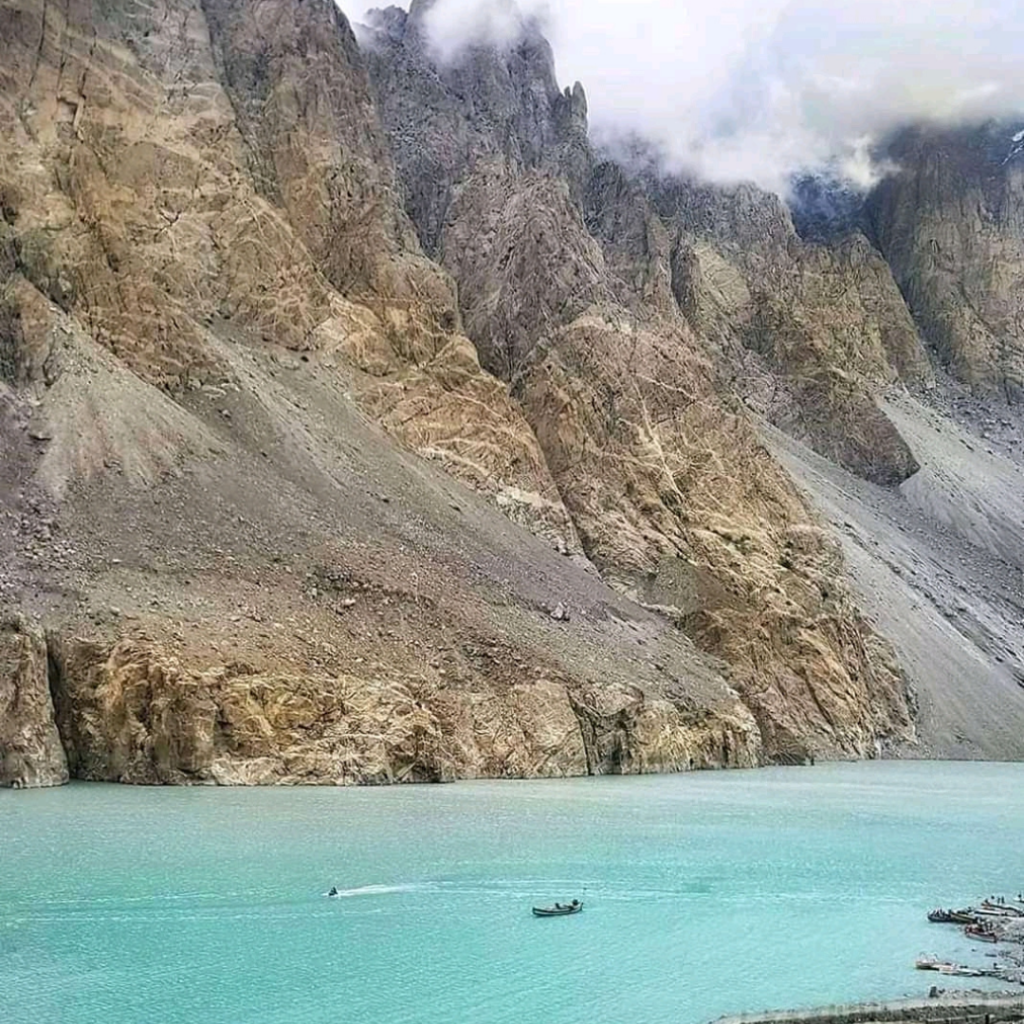
Attabad Lake is the icon of Hunza Valley and with its calm turquoise water, it effortlessly enchants every traveler to the region. What few visitors know is that this 100-meter-deep lake is still relatively young and was only created in 2010, when a massive landslide blocked the flow of the Hunza River in the region.
There are plenty of ways to enjoy the beauty of Attabad Lake during your trip to Hunza Valley. Be it having breakfast at your hotel right in front of the lake, hiking in the nearby mountains, or renting a boat or jet-skiing to completely immerse yourself in this serene environment, there are no boundaries (as long as you don’t actually try to swim).
Cross Hussaini Bridge, The World’s Most Dangerous Bridge

Known as the ‘most dangerous bridge in the world’, Hussaini Bridge is an old suspension bridge that connects the area around Hussaini with a small settlement on the other side of the Hunza River. The bridge is very shaky and the wooden boards are placed very far from each other with multiple pieces missing, making it a real adventure to cross.
You can reach the bridge following a small trek from the main road. The entrance fee to the area around the bridge is 200 rs.
Marvel At The Majestic Passu Cones

Passu is a small village in Hunza Valley that is blessed by the majestic backdrop of the impressive Passu Sar mountain and the Passu Glacier, which give the area a crown-like appearance.
The area around Passu is a popular photo spot because the Passu Cones create an amazing background for every photo. Because the traffic in the region is very low, it’s a common practice to pose in the middle of the road in Passu.
Visit The World’s Highest Land Border At Khunjerab Pass

This last destination is quite far from Hunza Valley but definitely worth the drive. At 4,733 meters altitude, the border between Pakistan and China is not only the highest land border in the world but also one of the most out-of-the-world places to visit in Pakistan.
You don’t need to cross to China to enjoy this place. The entire drive up Khunjerab Pass is incredibly scenic and if you’re lucky enough, you might even have some incredible encounters with the local border officers!
The drive from Karimabad to Khunjerab Top takes about four hours and there is a $10 per person entrance fee to enter Khunjerab National Park. Be prepared for extreme cold and lack of oxygen at the border.
Hunza Valley Local Specialties
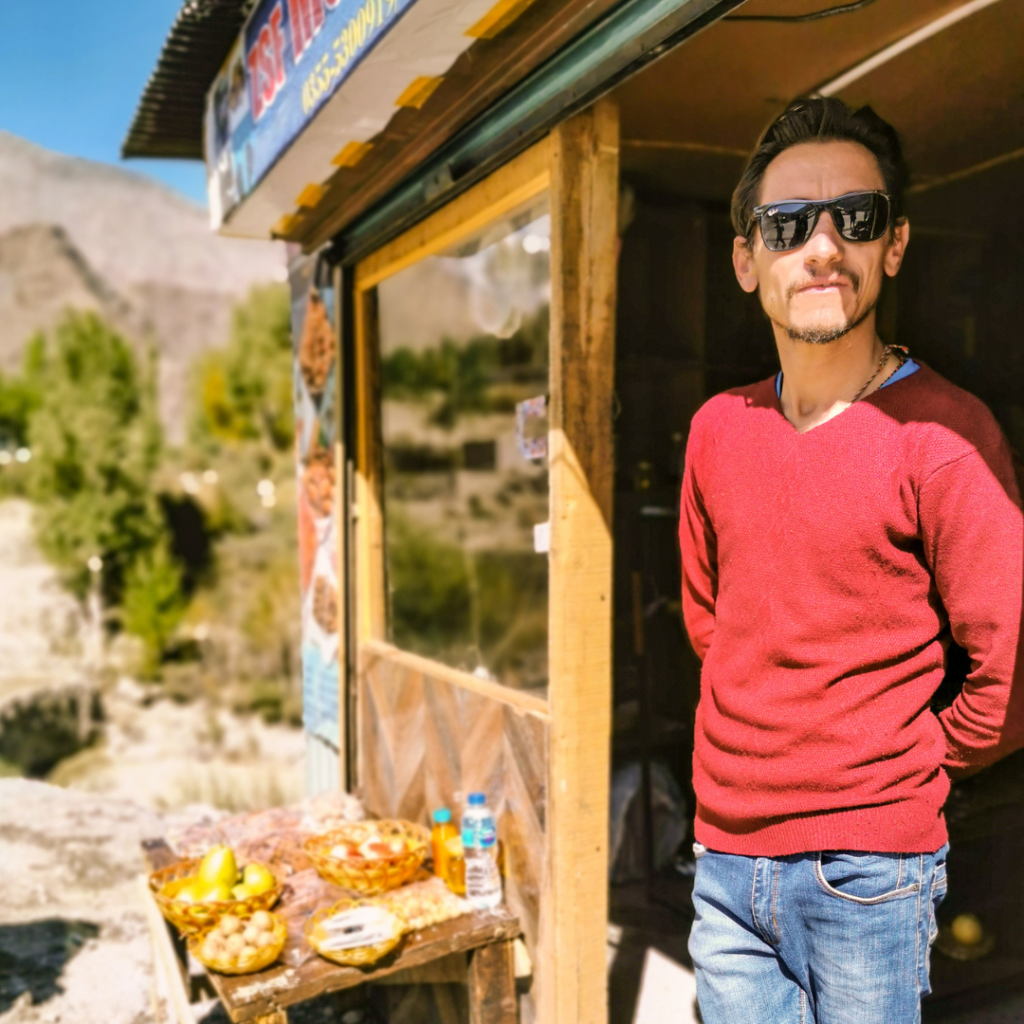
Visiting places is only one side of traveling. Another side is enjoying all the local specialties that the region has to offer.
Below are some Hunza Valley specialties which will help you gain a deeper travel experience in the region:
Food In Hunza Valley
- Mamtu (dumplings): I can never say no to this northern specialty! Similar to Chinese jiaozi, Pakistani mamtu are unique to the Gilgit-Baltistan region and a must-try food during every visit. Plus, unlike in China, Pakistani mamtu are always 100% halal!
- Chinese food: When driving from Hunza Valley towards Khunjerab Pass, you’ll see how the density of Chinese restaurants gradually increases. But, unlike in other parts of Pakistan, these restaurants aren’t all Desi Chinese cuisine but they actually serve authentic Xinjiang food, making them a nice change of taste if you’ve been traveling in Pakistan for an extended period of time already.
- Fruits: Hunza Valley is famous for its fruits. This includes apples, apricots, pears, plums, anything that grows in cooler climates. Visit in autumn for delicious fresh apples or enjoy jams and dried fruits all year round.
- Hunza water: Perhaps one of the most intriguing specialties from Hunza Valley is Hunza Water. Actually, Hunza Water is nothing but unfiltered glacier water that locals regularly consume. However, Hunza Water can also refer to an alcohol that is illicitly brewed in Hunza Valley. While I hate being a party-pooper, I strongly urge you to stay away from the alcoholic Hunza Water. Not only is it illegal in Pakistan but illicitly brewed alcohols also follow no safety guidelines, which increases the risk of methyl poisoning.
Souvenirs To Buy In Hunza Valley
- Hunza cap: The Hunza Cap is an iconic symbol of Hunza Valley. Male versions of the cap are usually simpler and include a feather while the female versions are decorated with beautiful embroidery. They are an excellent souvenir from Hunza Valley and look absolutely beautiful in photos.
- Wool textiles: Thanks to its cool climate, Hunza Valley is nothing short of beautiful wool textiles. From dresses to scarves, you can find anything that will help you stay warm for your next winter.
- Dried fruits, nuts, and jams: Dried fruits, nuts, jams, and honey are all local products that make excellent gifts for your friends and family around the world. I made sure to buy lots of apple jam and honey for my family in Germany during my last visit to Hunza and ate an entire bag of dried apricots by myself.
Is Hunza Valley Safe?

In an environment as serene as Hunza Valley, it’s easy to forget about the basic safety precautions. However, safety should be your number one concern wherever you go.
Here’s what you should be aware of when traveling to Hunza Valley:
Road Safety
Like anywhere in Pakistan’s north, the roads in Hunza Valley aren’t great, although they’re by far not the worst in the country. Go with an experienced driver and avoid speeding or adverse weather conditions.
Health Concerns
The two major health concerns in Hunza Valley are food poisoning and altitude sickness.
For food poisoning, it’s enough to avoid drinking tap water and stick to cooked foods. For altitude sickness, you should make sure to acclimatize slowly, stay hydrated, and carry snacks with you.
Alcoholism
With the presence of illicit breweries and very cheerful local people, it’s no surprise that you might encounter drunk people in Hunza. Although incidences are rare, it’s best to keep your distance from people who might be drunk and if you do happen to get harassed by someone, you should notify the Hunza Tourist Police.
Of course, it should go without saying that you should also stay away from any illicit alcohol that you might encounter in Hunza.
Female Safety
Last but not least, female safety is a concern in every part of Pakistan. Women are advised to always travel with male company, avoid dark and abandoned areas, and dress modestly at all times. Don’t trust men too easily – they can be the nicest people in the beginning and turn into creeps within a second.
In my opinion, travelers from other parts of the country were a much bigger problem than local men but it’s always good to be a bit skeptical towards everyone.
Read more: Is Pakistan Safe For Women Travelers? Here’s What It’s REALLY Like
Where To Explore Next
Did you enjoy Hunza Valley? Also check out these wonderful destinations in Pakistan:
- 10 Awesome Things To Do In Islamabad In A Day
- Top 12 Most Beautiful Places To Visit In Karachi
- Full Itinerary For An Incredible Balochistan Day Trip From Karachi
- How To Visit Taxila Independently As A Tourist
- Fairy Meadows And Nanga Parbat Base Camp Trek: Everything You Need To Know
- A Complete Travel Guide To Skardu
- The Ultimate Guide To Naran, Pakistan
Conclusion
Pakistan’s number one tourist destination is a true gem that must not be missed when traveling to Pakistan. From beautiful landscapes to fun adventures, Hunza Valley offers the best experience for independent travelers and group tours alike. The region’s tourism infrastructure is well developed, making independent travel much easier than in other parts of the country.
Still, there are a few things to be aware of when traveling to Hunza Valley independently or with a group and I hope this guide could clarify things a bit and inspire you to book your trip to Hunza now!
Have you been to Hunza Valley yet? How was your experience? Let me know in the comments below!
Really interesting post, not somewhere I’ve heard much about before. I also can’t resist a dumpling 🙂
I have never heard about this place before but it looks stunning! I am so amazed by this valley after looking at your photos! I am glad I discovered it thanks to you!
What an excellent post! The Hunza Valley looks absolutely stunning with the mountains, lake and views for miles. This is an area I would definitely want to visit one day and will keep this guide handy for when I do! Great tips on traveling there too!
What a beautiful mountain region of Pakistan to explore! This is the type of place I would love to travel to.
Ahhh Pakistan is one of my dream destinations! From your photos, the Hunza Valley looks exactly like I’ve imagined Pakistan would be like.
Wow how stunning is this valley. I’m so tempted to book a trip here, it’s such a shame you don’t hear more about it for travel.
Wow Pakistan has always been on my list but those forts look amazing. I’d love to visit and learn more about the history
Attabad Lake is just breath taking
Well Said!
Hunza Valley is the jewel of Pakistan in all aspects. The blog describe and is well written but there is much more than this. The beauty of Hunza Valley cannot be described in words and the words are less for it.
Thanks for sharing this kind stuff. Keep Sharing!